Velaras Perspectives
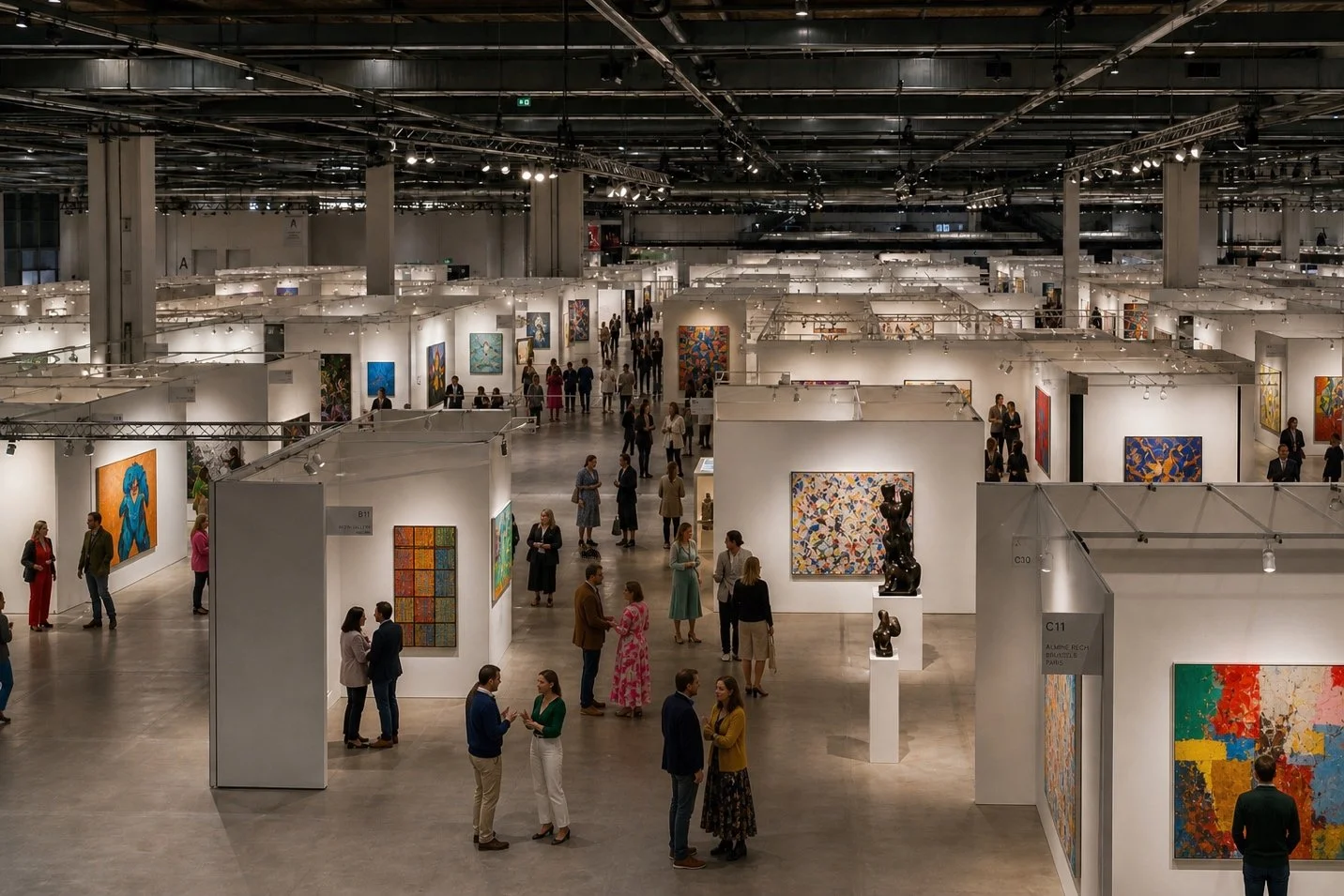
Is an Art Advisor Necessary?
Explore whether an art advisor is necessary when acquiring high-quality art, and how experience, access, incentives, and independence shape confident decisions.

The Difference Between an Art Buyer and an Art Collector
The art market is filled with art buyers. Far fewer participants are art collectors. This is not a distinction of sophistication, education, or financial means, but of approach and, over time, of what is ultimately assembled. At its core, the difference lies in intent, process, and horizon.

The Limits of Art Market Data
In the art market, data often appears authoritative but reflects only a portion of reality. With much of the market operating privately, meaningful information frequently exists beyond what is visible in price records and databases.

Independence Is Paramount for Genuine Curation
Genuine curation begins with independence. Without obligations to specific artists, inventory, or sources, decisions can be guided by a broader question: where does the strongest work exist?

Structure, Alignment & Incentives Matter
In the art market, decisions are rarely shaped by merit alone. Incentives, roles, and financial structures influence what is presented, how it is positioned, and ultimately what is acquired.

Privileged Access — The Art Market Is Not a Level Playing Field
Much of the art market operates outside public view. Access to the most desirable works is often determined by relationships, experience, and the ability to act decisively—long before opportunities become widely visible.
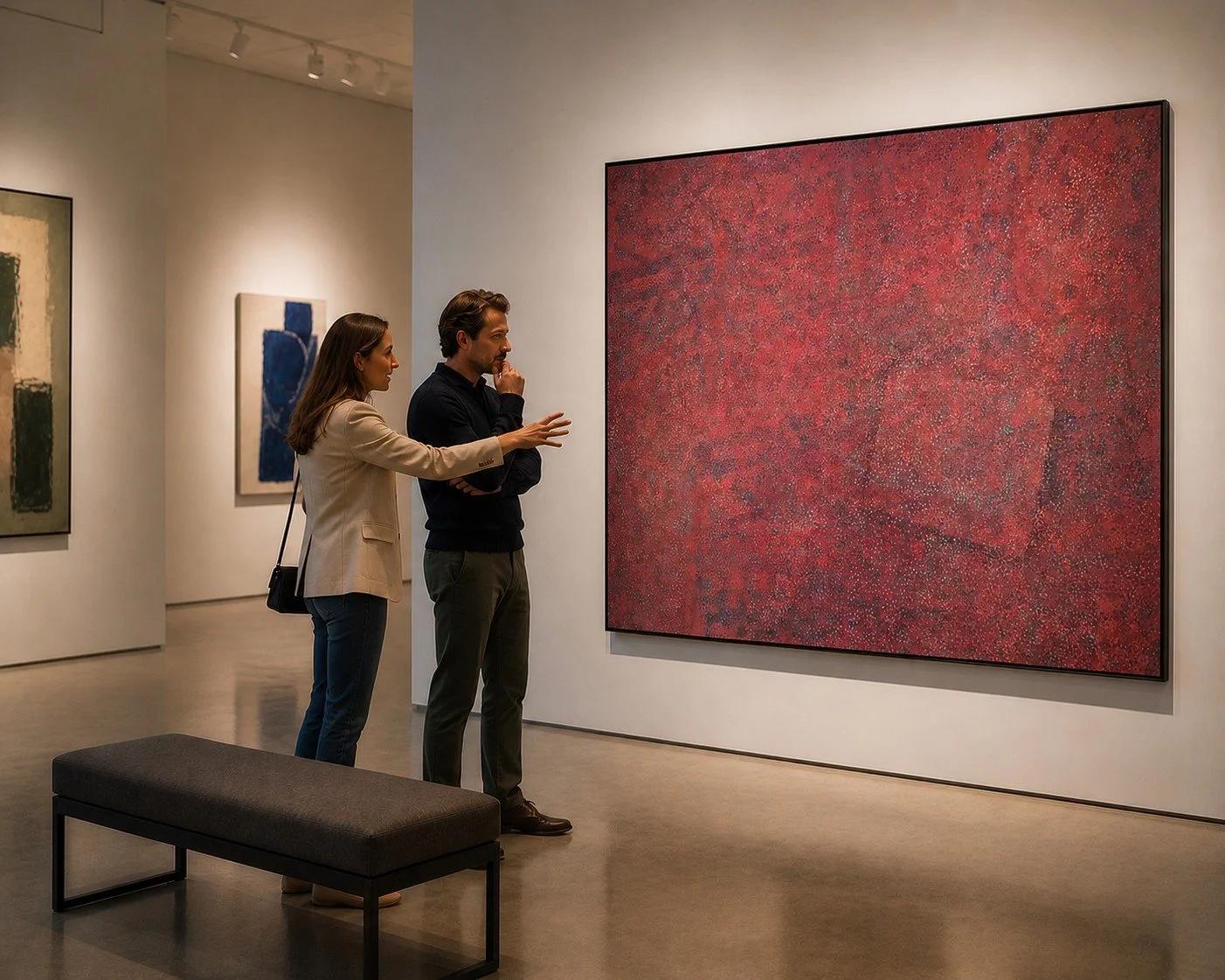
Flexible and Innovative Paths to Ownership
The art market has traditionally offered a binary choice: commit significant capital upfront or walk away. More flexible ownership structures introduce an alternative—allowing buyers to engage with works over time while managing risk, capital, and evolving preferences.
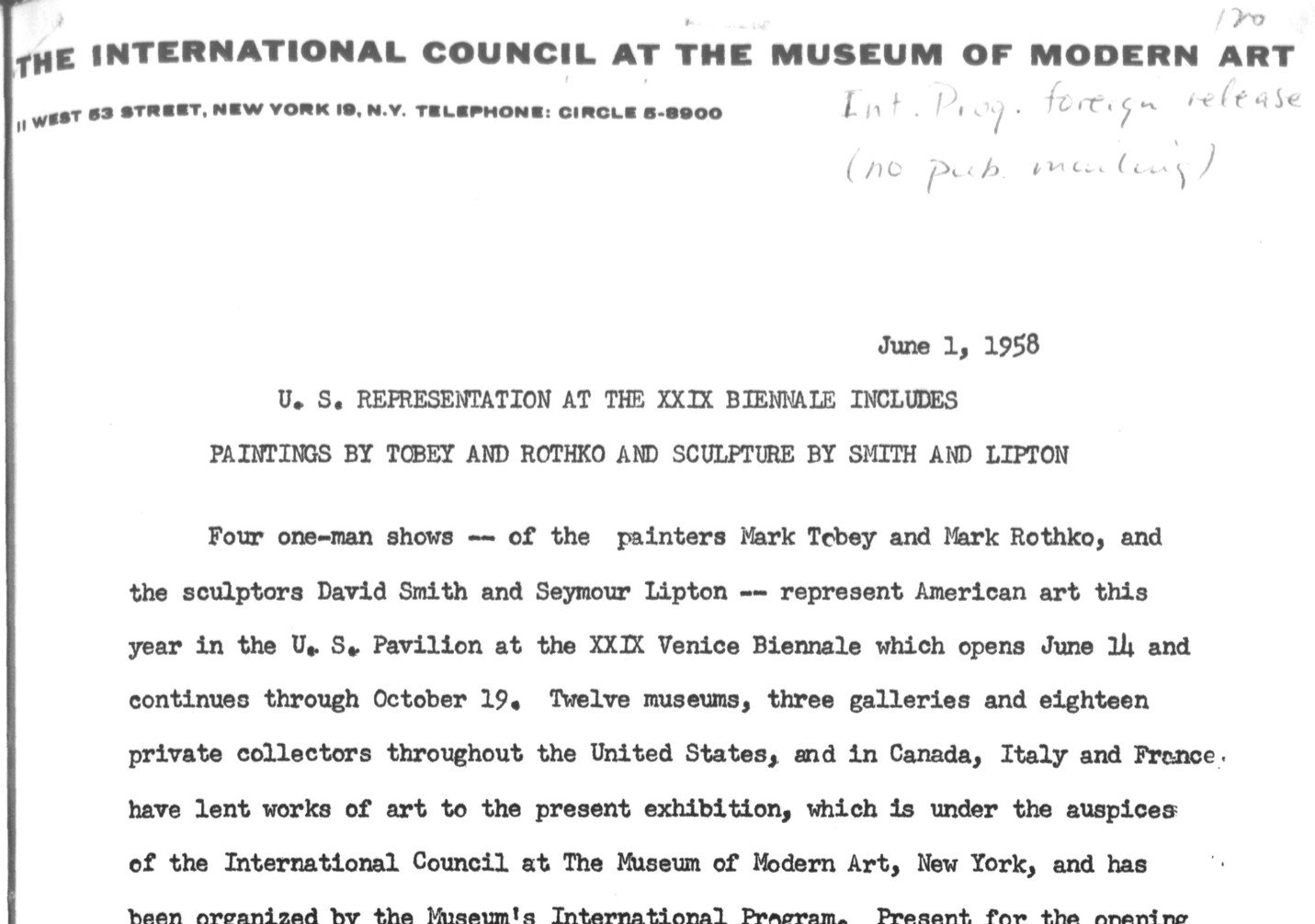
Why We Prefer Mature, Proven Artists
In much of the art market, attention is directed toward emerging artists whose prices rise rapidly while their careers are still unfolding. Yet without an established body of work, these decisions often rely on speculation rather than evidence. We take a different approach - focusing on artists whose significance can be evaluated through extended development, institutional recognition, and a clearer historical context.