The Difference Between an Art Buyer and an Art Collector
The Distinction
The art market is filled with art buyers. Far fewer participants are art collectors. This is not a distinction of sophistication, education, or financial means, but of approach and, over time, of what is ultimately assembled. At its core, the difference lies in intent, process, and horizon.
Where Art Buyers and Art Collectors Differ
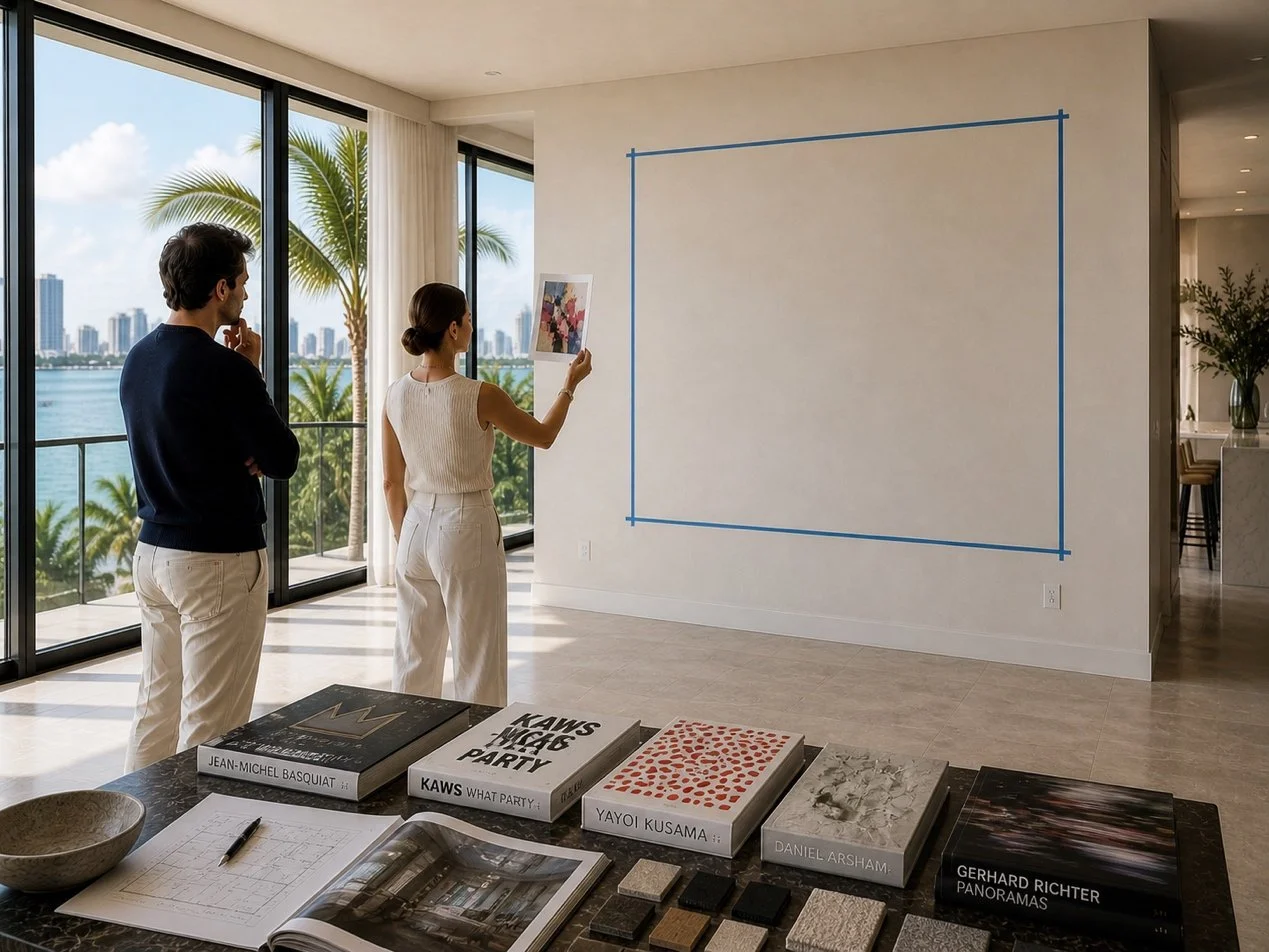
An art buyer typically acquires works with a site-specific objective in mind. They may be searching for something to anchor a living room, complete an office, or mark a personal milestone. An art collector, by contrast, builds a collection that is not confined by the limitations of available wall space or by the immediate needs of a particular interior. It is common for art collectors to own more than they can live with at any one time, while art buyers rarely do.
This distinction matters because the mindset behind acquisition shapes not only what is purchased, but how decisions are made. Over time, it influences the quality, coherence, and significance of what is assembled. Two people may acquire works at similar price points, through similar channels, and even from the same galleries, yet the outcome can be fundamentally different. One may end up with a series of individually appealing objects; the other, with a collection that reflects a sustained way of thinking and seeing.
What Defines an Art Buyer
Most art buyers engage with artwork in a practical and highly personal way. They seek works for their homes or offices that resonate with them, reflect their identity, and ideally hold their value over time. This can cover a wide range of media and styles, from contemporary painting and emerging artists to sculpture, works on paper, and historically significant pieces. Their engagement with art is often genuine and thoughtful, but it is usually tied to an immediate context.
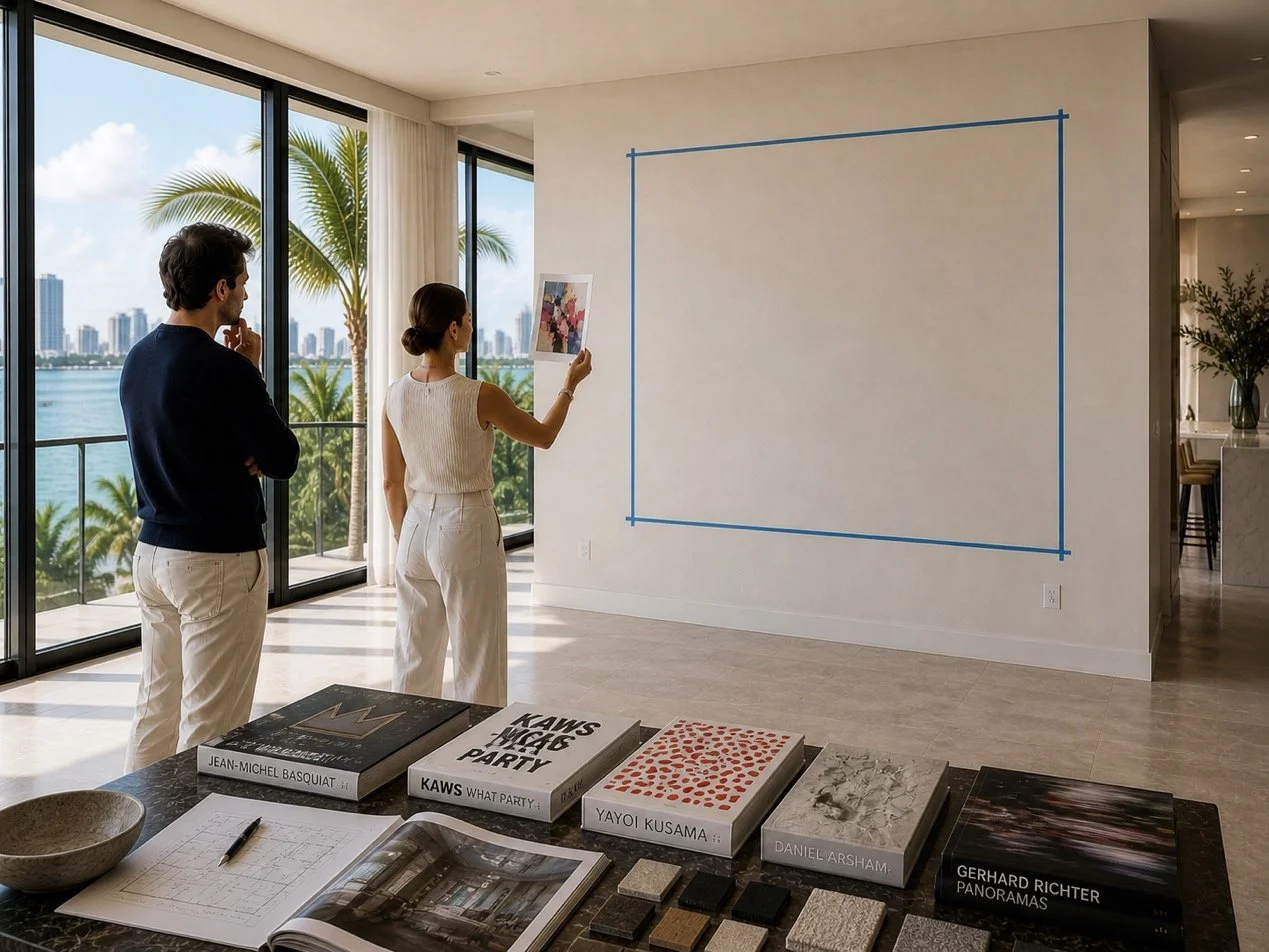
Many art buyers understand that access to the strongest works often requires insider knowledge, trusted relationships, or expert guidance. They may appreciate that the best material is not always what is most visible, and that market access is often shaped by timing, reputation, and proximity. Yet even those with the means and connections to pursue that path often have little interest in devoting the time, energy, and capital required to participate deeply. Their priorities lie elsewhere.
This is largely because the activity of an art buyer usually has a natural endpoint. Once a room has been completed with artwork, a new home furnished, or a particular need satisfied, the search often slows or stops. The objective has been met. Art remains of interest, but it is no longer an active pursuit in the same way.
That does not make the art buyer less serious or less discerning. It simply means their relationship to the market is often more situational than ongoing. Their purchases are made to solve a problem, fulfil a wish, or enhance a space, rather than to advance a long-term collecting ambition.
A Practical, Episodic Approach to Art Collection
Art buyers tend to participate in the market selectively, often when a particular need arises, such as furnishing a new home or upgrading an existing one. These moments are frequently accompanied by urgency. That episodic participation can intensify what is already a confusing and opaque market.
Without established relationships or the benefit of accumulated market knowledge, these buyers often move through galleries, fairs, and auctions to quickly find works that suit a particular environment. Each acquisition is evaluated largely on its own merits: the work itself, its price, and how it fits within a space. Rarely will these buyers make a significant purchase without a clear sense of where it will live.
The Limits of Convenience
This approach can absolutely result in exceptional individual works and in interiors of great beauty and personal meaning. More often, however, selections are shaped by the limitations of what is available at a specific moment, which is itself influenced by timing, access, and circumstance.
As a result, considerations such as quality, historical importance, and long-term value retention can become secondary, or at least compromised, in favor of expediency. For the buyer, the practical goal of placing the work often outweighs the broader strategic question of how that work fits within a larger body of holdings.
What Defines an Art Collector
Art collectors engage with the market in a fundamentally different way, looking not simply to acquire art, but to build an art collection. Their collecting activity is cumulative, intentional, and shaped by an evolving point of view rather than by a discrete practical need. Instead of selecting from what happens to be available at a given moment, an art collector considers how a work will strengthen, sharpen, or expand the collection as a whole.
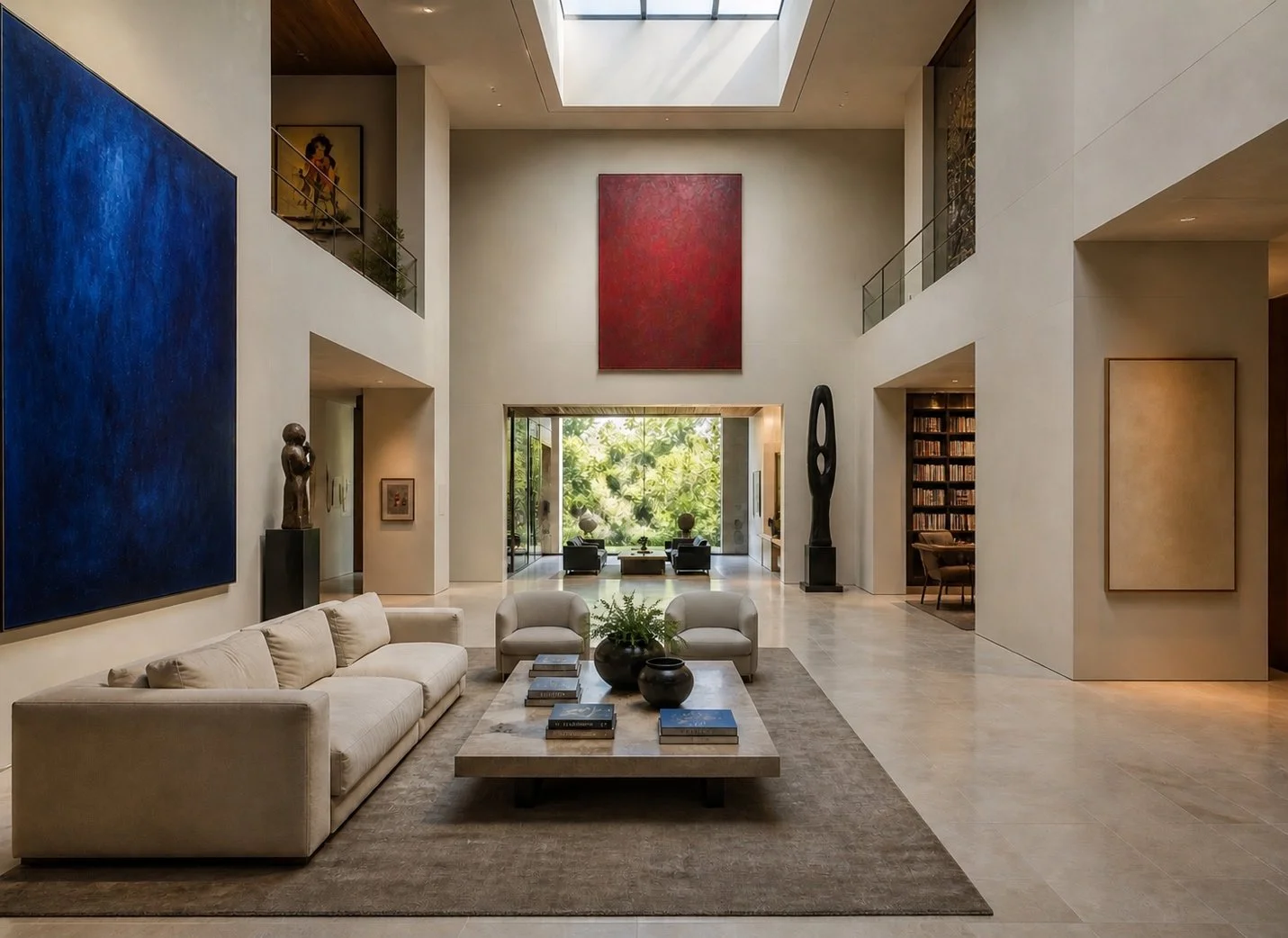
The individual work matters deeply, of course, but so does its relationship to everything that surrounds it. For an art collector, each acquisition is part of a larger conversation. Their collection is not merely an accumulation of attractive objects, but a structure of ideas, associations, judgements, and priorities.
Collectors tend to think in terms of sequences rather than moments. They are often prepared to wait, to pass, to upgrade, and to refine. A contemporary art work may be compelling in isolation, but if it does not add something essential to the collection, it may not be pursued. Conversely, a work that appears understated to the casual observer may be deeply significant within the logic of a collection.
This is where the art collector’s horizon differs most clearly from that of the art buyer. The collector is not only asking, “Is this a good work?” but also, “What does this do for the collection?” and “How does this move the collection forward?”
How a Point of View Develops
There is no single route to becoming an art collector. Some begin with a defined area of interest, such as a movement, period, emerging artists, or theme. From there, they may develop the knowledge required to identify artists and works that best embody that focus. Others begin more intuitively, acquiring works for their art collection that may at first appear unrelated, only for a coherent perspective to emerge over time.
In both cases, what distinguishes the art collector is that selections are informed not only by the quality of the individual work, but by how that work contributes to and refines the broader collection. The collection becomes an intellectual and aesthetic project in its own right.
Beyond the Wall
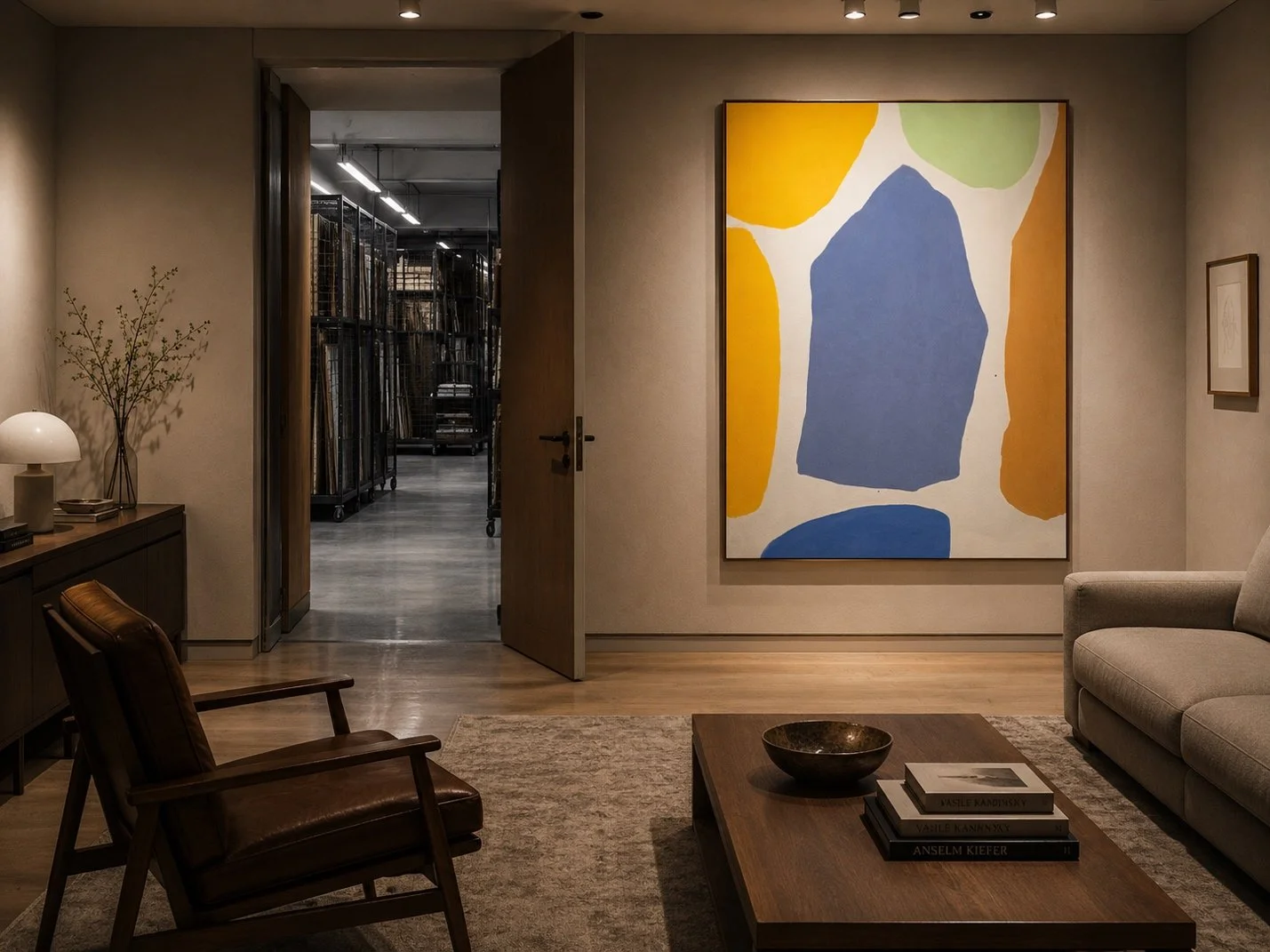
Crucially, the process of an art collector is rarely limited by available space in their collection. Works are not acquired simply to fill walls, but to improve, reshape, and deepen the collection over time. Pieces may be added, replaced, sold, or recontextualised as the collector’s perspective matures.
The result is a carefully curated collection built with conviction, continuity, and coherence rather than one formed through a series of isolated decisions. Where the buyer often thinks in terms of placement, the collector thinks in terms of progression.
The Market’s Two Natural Audiences
The traditional art market tends to serve two groups particularly well: the deeply engaged art collector and the more transactional buyer. Art collectors are often active across multiple channels, committing the time and resources needed to build relationships, gather intelligence, and play the long game for their collection. Their knowledge compounds over time, shaping better decisions and often better outcomes. This can lead art collectors towards niche marketplaces, such as blue chip galleries.
The less experienced art buyer, by contrast, often operates within what is readily available or easily accessible. In many cases, this is not due to a lack of interest but to the reality that deeper participation in the market can be demanding, opaque, and time-intensive. Yet this practical approach can expose the buyer to weaker options and a greater risk of overpaying.
What Art Fairs Reveal
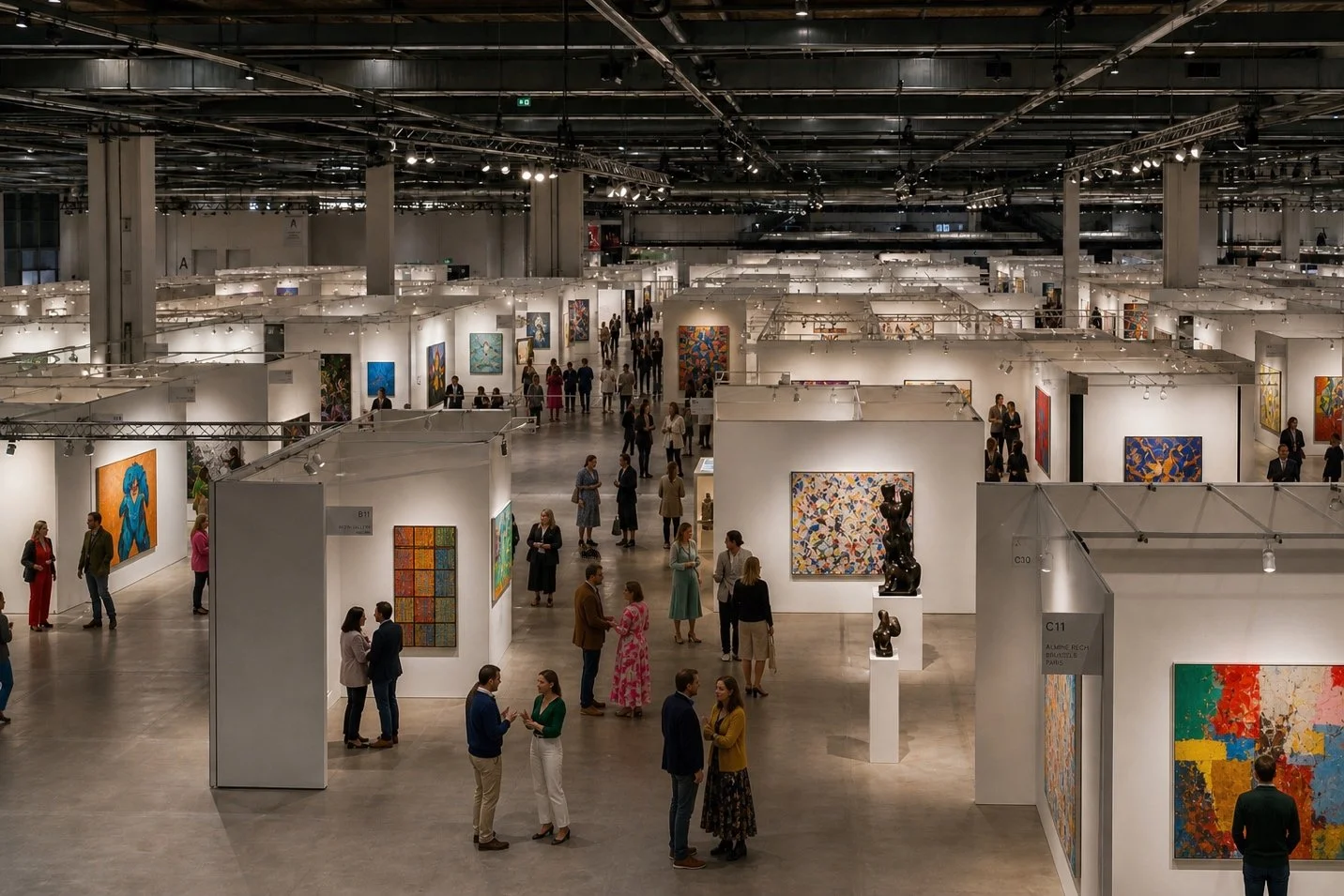
An art fair offers a useful lens through which to observe the difference between an art buyer and an art collector. For the art collector, an art fair is often less about immediate purchase and more about strengthening relationships, refining preferences, tracking the market, or uncovering a work already sought out over time.
For the art buyer, the same setting is often more mission-driven. They move with purpose, scanning booths in search of a work that can occupy a specific wall or solve a specific need. Neither approach is inherently better, but they are fundamentally different in mindset and outcome.
The Rise of the Discerning Art Buyer
Between the fully immersed art collector and the purely situational art buyer sits an important and often underserved audience: the discerning art buyer. These individuals have the means, taste, and desire to live with works that they genuinely enjoy and that communicates something meaningful about who they are.
They may also have a strong sense of the calibre of work they want. What they do not necessarily want is to become market insiders themselves. They recognise that sourcing and securing strong work independently can be difficult, yet they are not looking to dedicate years to developing the relationships and expertise of an art collector.
A Gap in the Market
Serving the discerning art buyer requires a different model. Relying solely on what galleries or auctions happen to be offering at a given moment is often insufficient. Equally, waiting for the right options to surface over time may not align with the buyer’s schedule or priorities.
What this audience often needs is access: access to works that have been thoughtfully assembled, vetted, and positioned over an extended period, without requiring them to navigate the full complexity of the traditional market on their own. They need a way to benefit from the discipline and reach of collecting logic without having to become collectors or hunters of emerging artists in the full sense.
This gap helps explain why some would-be buyers hesitate. In the absence of a compelling route to quality, many choose not to act at all. They would rather delay than overpay. They would rather wait than make a choice that later feels thin, compromised, or misaligned with their standards.
Why the Distinction Matters When Buying Artwork
Understanding the difference between an art buyer and an art collector is not simply a matter of terminology. It reveals two distinct ways of engaging with art and with the market itself. One approach is shaped primarily by immediate context and practical need. The other is driven by continuity, refinement, and long-term vision.

Both can lead to meaningful ownership. However, where the art buyer seeks the right work for a place, the art collector seeks the right work for a collection. That difference in mindset ultimately shapes not only what is acquired, but what endures.
Ultimately, Velaras’ approach is to ground decisions not in forecasting what may happen, but in understanding what already has.