Privileged Access — The Art Market Is Not a Level Playing Field
In most businesses, the value of trusted relationships cannot be overstated. When opportunities present themselves, many factors influence who receives the first look and how decisions are made. In many cases, established connections become the determining factor. Often, the greater likelihood of a prompt and reliable closing outweighs the possibility of achieving the absolute highest price.
Public auctions represent one of the most transparent segments of the art market. When artworks appear at auction, anyone with the financial capacity to bid can participate. However, the majority of art transactions occur privately through galleries, advisors, and individuals. Established networks are typically afforded an early preview.
Access Is Often Relationship-Driven
Galleries generally operate as commercial enterprises seeking to generate profit over the short or long term. In a limited number of situations, they will carefully allocate key pieces to select collectors and institutions to support the appreciation of their artists. In most cases, however, galleries are focused on completing transactions efficiently. When notable pieces become available—whether through collectors, estates, or other secondary sources—galleries frequently reach out first to people they know well and trust to evaluate the work thoughtfully and respond reliably.

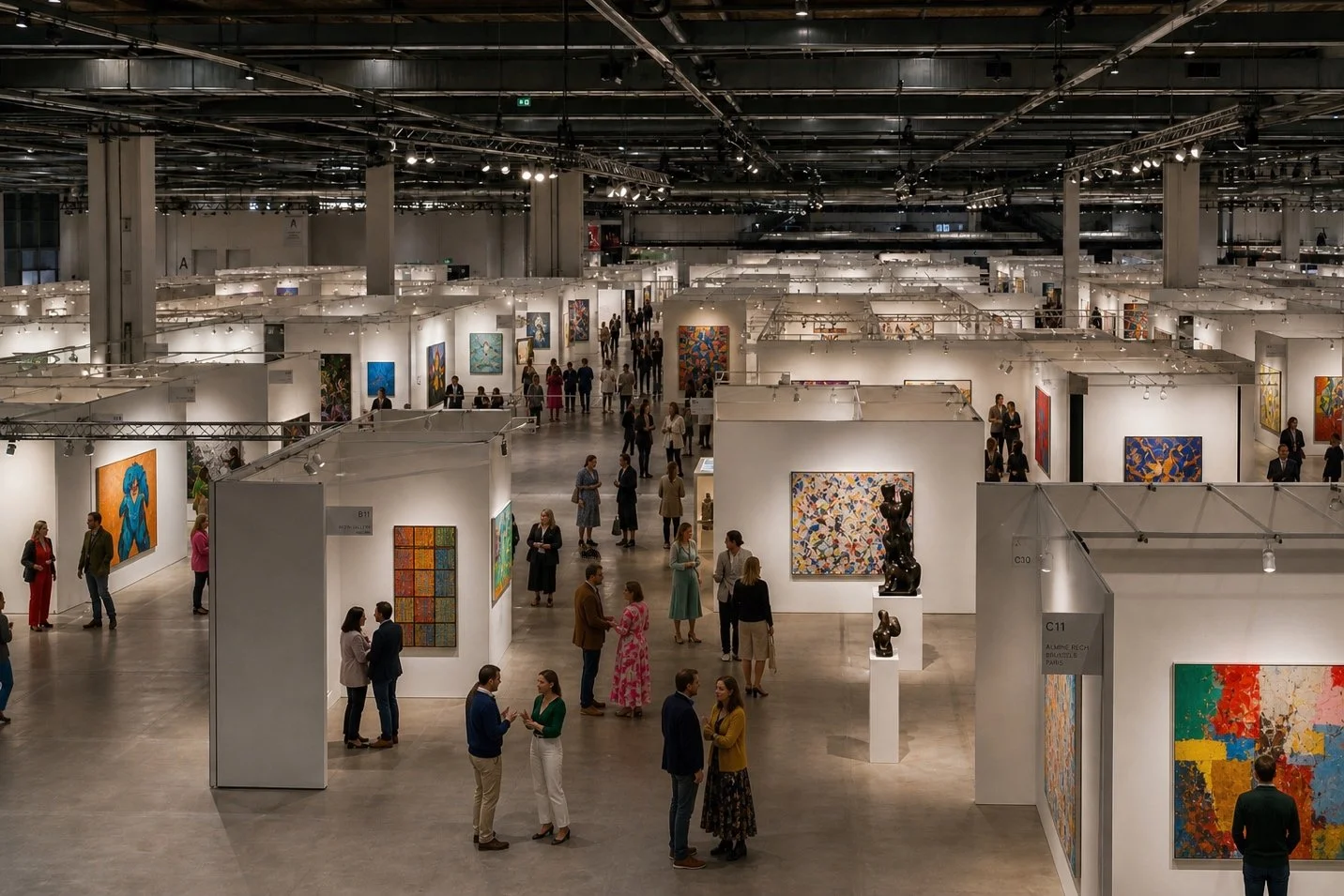
Sometimes this occurs when high‑quality works surface quietly before any widespread promotion begins. In other cases the introduction happens even earlier. Galleries preparing exhibitions often approach trusted buyers in advance, allowing them to review a show before it opens publicly. A similar dynamic occurs around art fairs, where galleries routinely preview their presentations to select clients before the fair officially begins. Early placements can provide momentum for an exhibition while allowing a favored group—or sometimes just a few—to select from the most desirable examples before they receive broader exposure.
For many experienced participants, the most attractive acquisitions emerge outside the most visible allocation scenarios. Recognizing this reality makes it important to understand the factors that determine who receives a preferred look.
What Creates Privileged Access
Relationships rarely develop in isolation. In the art market they typically reflect a combination of experience, capital, and the ability to act decisively when opportunities arise. Sellers naturally gravitate toward those who demonstrate sound judgment, financial capacity, and the reliability to follow through on commitments.
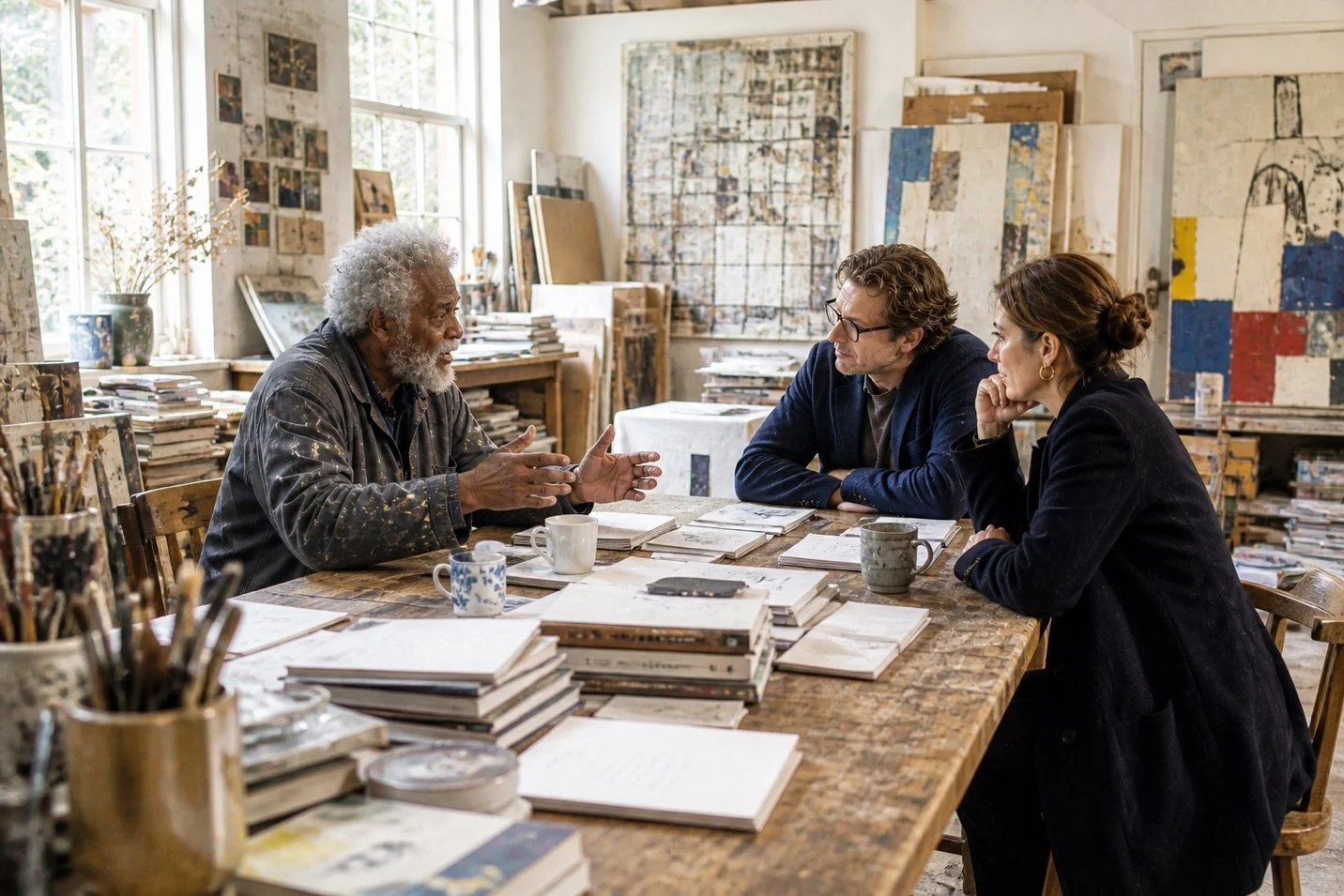
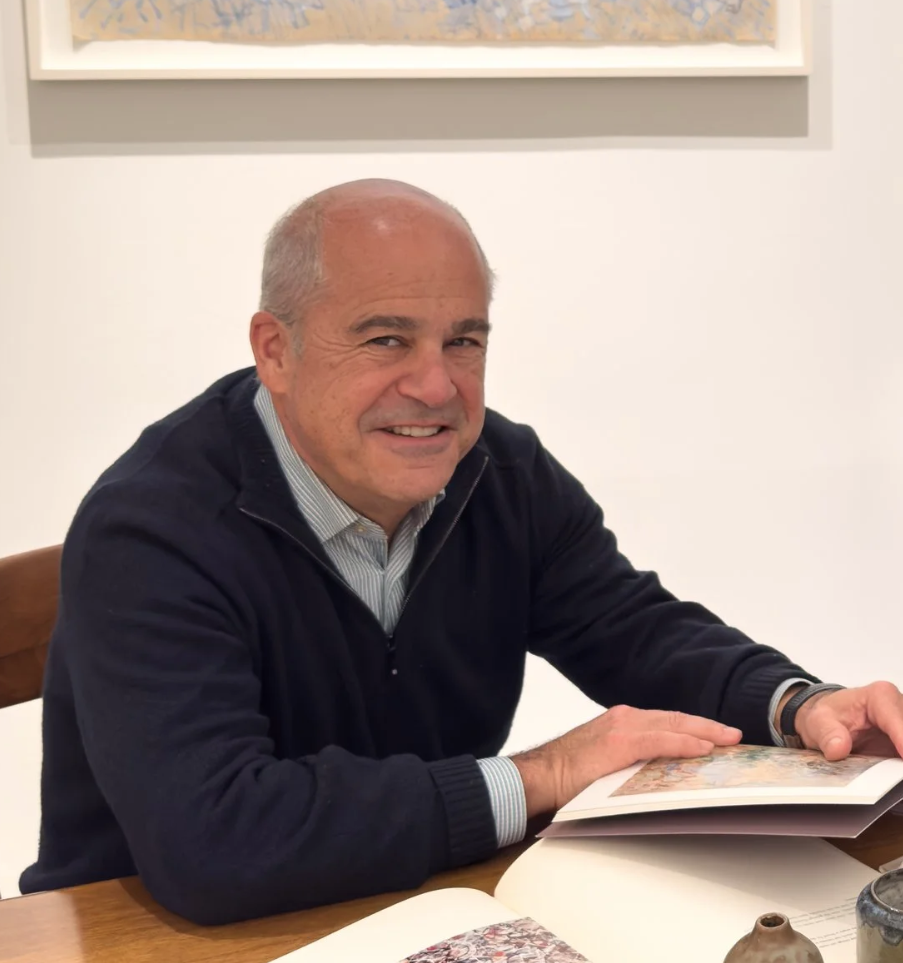
Experience plays a central role in this dynamic. Evaluating art requires context—an understanding of an artist’s broader body of work, relative quality within that body, and how individual examples compare with what has appeared historically. Individuals who have spent years studying artists, movements, and their relative prices are better positioned to assess material quickly and credibly, and sellers recognize the value of that experience.
Capital is equally important because sellers prefer to engage with buyers who have the financial capacity to transact without delay or uncertainty. The ability to commit capital signals seriousness and reduces the risk of transactions failing to close.
Over time, these factors reinforce one another. Experience sharpens judgment, capital enables participation, and reliable decision‑making builds trust. These factors largely dictate who receives advance notice.
How Privileged Operates in Practice
Privileged access in the art world rarely appears as a formal arrangement. Instead, it emerges through informal introductions in which sellers present sought-after material quietly to a small group of trusted participants before broader marketing occurs. These introductions may originate from galleries, auction houses arranging private transactions, advisors, or individual collectors, but the dynamic is similar: sellers are seeking members of their network with the relevant knowledge to assess the offering and close the transaction efficiently.
Relationships can also influence how situations ultimately unfold. Objects placed on hold at an art fair or exhibition opening may later be offered to another buyer when sellers believe a transaction is more likely to close promptly or when a longstanding relationship provides greater assurance of completion. Such decisions often reflect practical considerations—especially the likelihood of closing and the value of ongoing business.
These dynamics are rarely visible to a wide audience and typically unfold within a relatively small network of experienced participants. Over time they shape who is invited to participate early—before broader awareness develops.

Why This Matters for Buyers
Understanding how the art market operates helps explain why experience, capital, and the ability to act decisively matter so much. Relying solely on publicly visible opportunities means encountering works only after the earliest introductions have passed.
Developing the history, trust, and credibility that lead to these introductions independently can require years of sustained engagement and meaningful acquisition activity. In an environment where relationships frequently determine who receives the first call, the timing of when a work is presented often becomes one of the most important advantages.