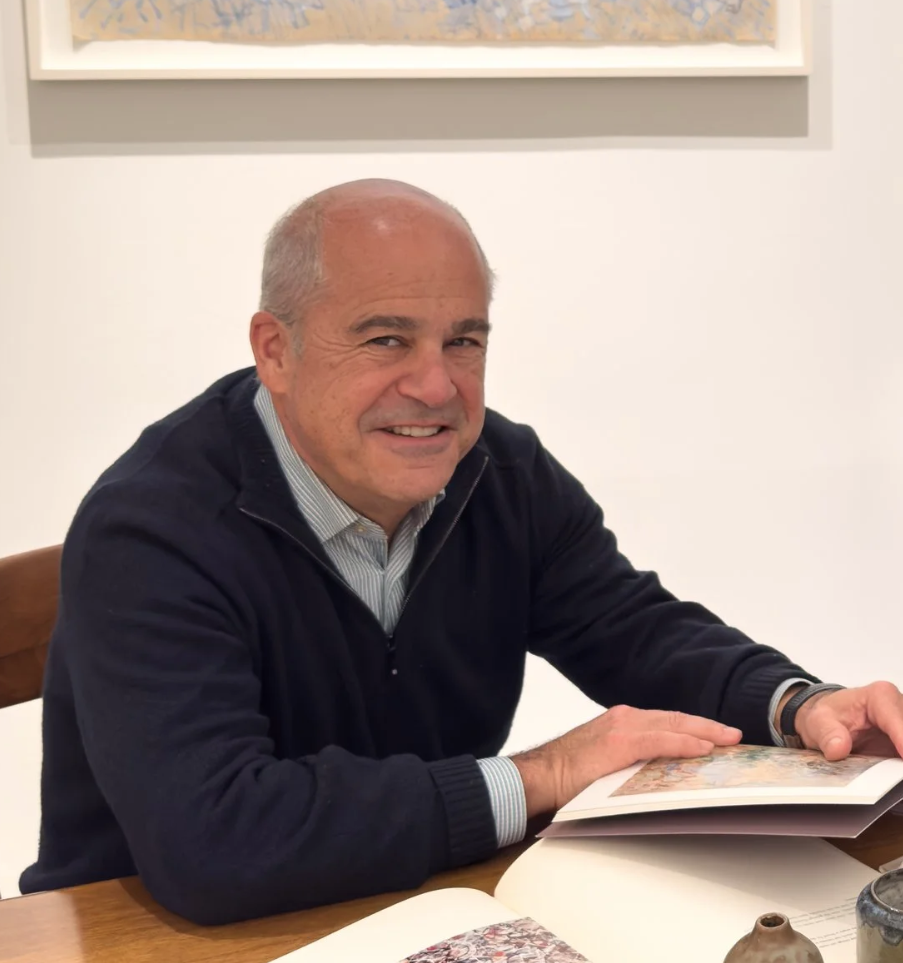
Independence Is Paramount for Genuine Curation
Curation Requires Independence
Buying quality wherever it exists is the essence of genuine curation in the art market. Most works are presented through established venues—gallery programs, auction offerings, and curated exhibitions—each operating within defined commercial structures. While these venues play important roles, they have boundaries which are inherently limiting.
Genuine curation therefore begins with independence. Without obligations to represent specific artists, promote inventory holdings, or prioritize available consignments, decisions can begin with a broader question: where does the strongest work exist?
Not being beholden or overly loyal to a limited set of sources avoids compromising outcomes by restricting not only selection, but also potentially valuable information. Independence allows works to be evaluated purely on their individual merits rather than their availability within a particular program or sales structure.
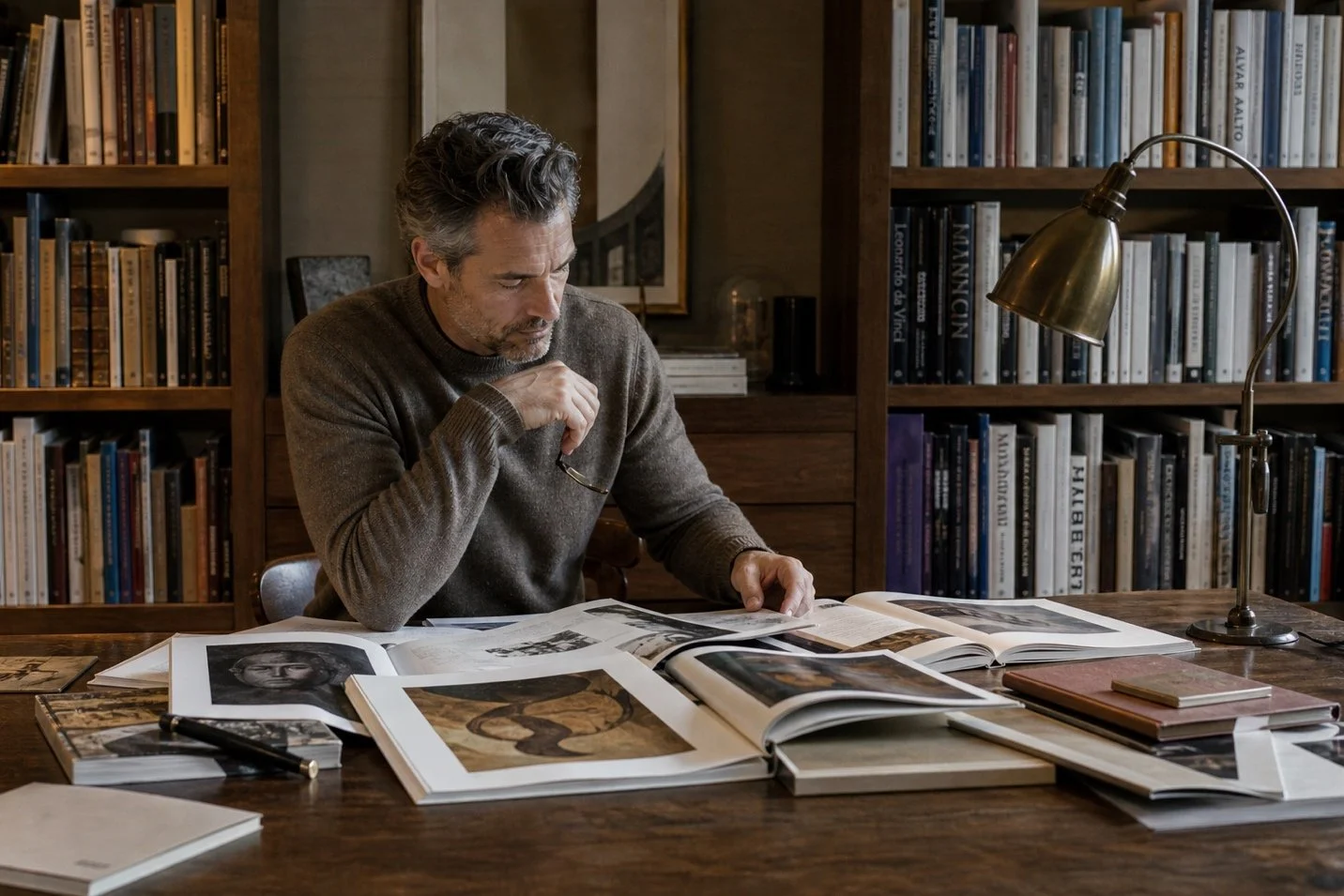
Structural Roles Shape What Is Presented
Most works entering the art world originate from participants operating within clearly defined roles. Galleries represent artists and are responsible for supporting careers, placing works with key collectors and institutions, and sustaining markets for their artists over time. Auction houses represent consignors and focus on generating competitive bidding within defined sale timelines.
These roles are fundamental to how the art world functions, but they also shape what they present. Galleries naturally emphasize works from their roster of artists—even when certain examples may be meaningfully inferior to other works by the same artist available elsewhere. Auction houses present material that has been consigned for sale, regardless of whether stronger examples may exist outside the auction cycle.
Recognizing these structural realities helps explain why the works encountered through any single venue will likely represent only a portion of what is available across the broader landscape.
Selection Is Not the Same as Curation
Genuine curation begins with the freedom to say no.
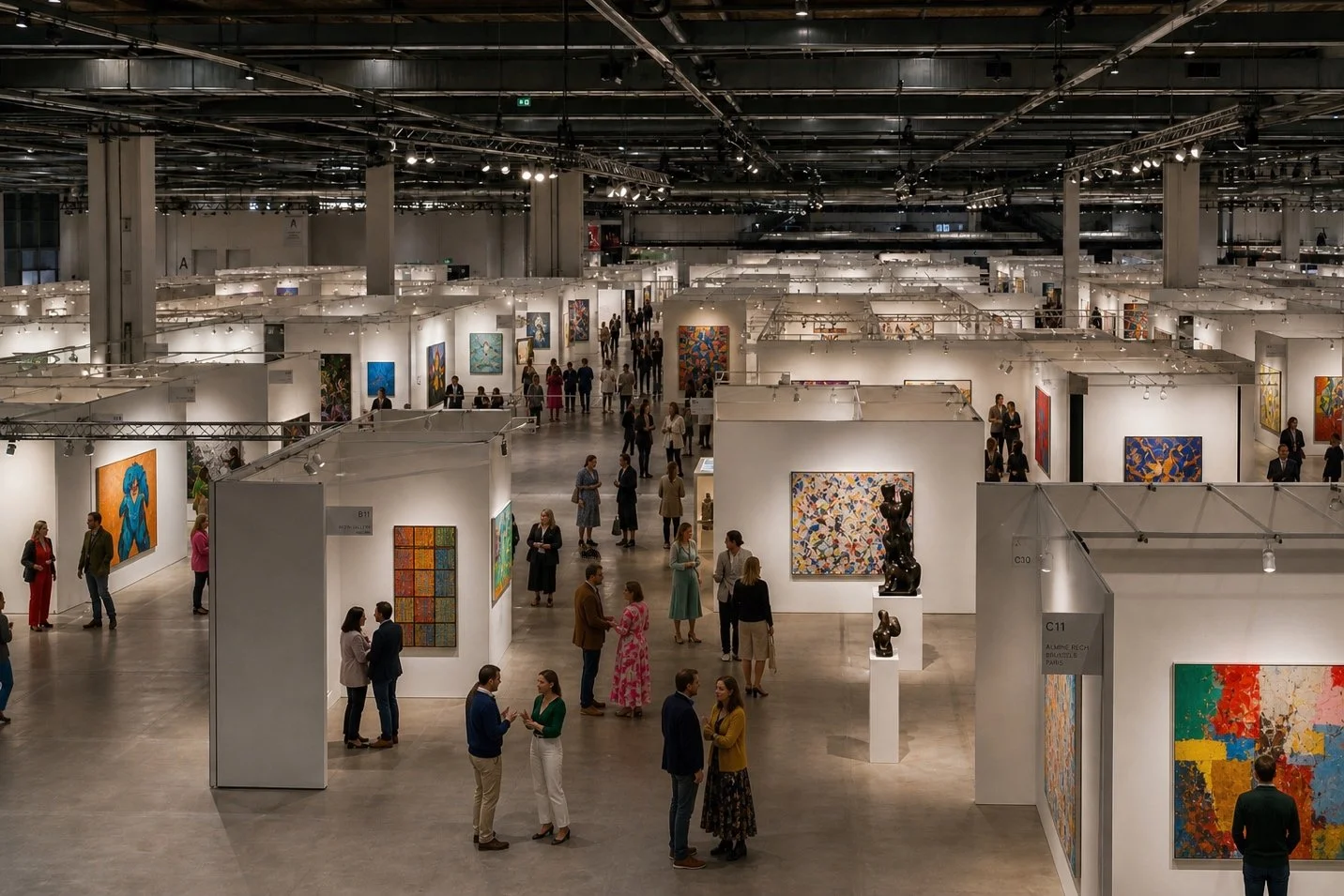
In the art world, many decisions involve selecting from works presented through exhibitions, fairs, or auctions. These selections may be informed and carefully considered, yet choosing only from material offered through a particular venue is not the same as genuine curation.
Curation requires evaluating the broader landscape—comparing works across sources, periods, and artists before determining which truly merit acquisition.
Even for highly regarded artists, works are often available simultaneously through multiple galleries around the world, in addition to appearing at auction or through private collections. Evaluating these possibilities within the context of an artist’s full body of work frequently reveals meaningful differences in artistic quality, historical importance, and commercial appeal.
The circumstances surrounding a sale can also influence the price paid. A seller’s financial motivations—whether related to liquidity needs, estate planning, or collection restructuring—may shape both the timing of a sale and the terms under which a work is offered.
Independence allows buyers to evaluate both the work itself and the circumstances of its availability rather than limiting evaluation to a single venue.
True curation therefore depends not only on expertise, but on the structural freedom to compare broadly and decline frequently—even when doing so may feel uncomfortable in business where relationships matter.
Pursuing Quality Wherever It Exists
Independence allows decisions to begin with a simple question: where does the best combination of quality, significance, and value exist?
The answer may emerge from a gallery show, an auction consignment, or a quiet private opportunity surfaced through long-standing relationships. What matters is not where a work originates, but whether it represents a strong example when viewed in context.
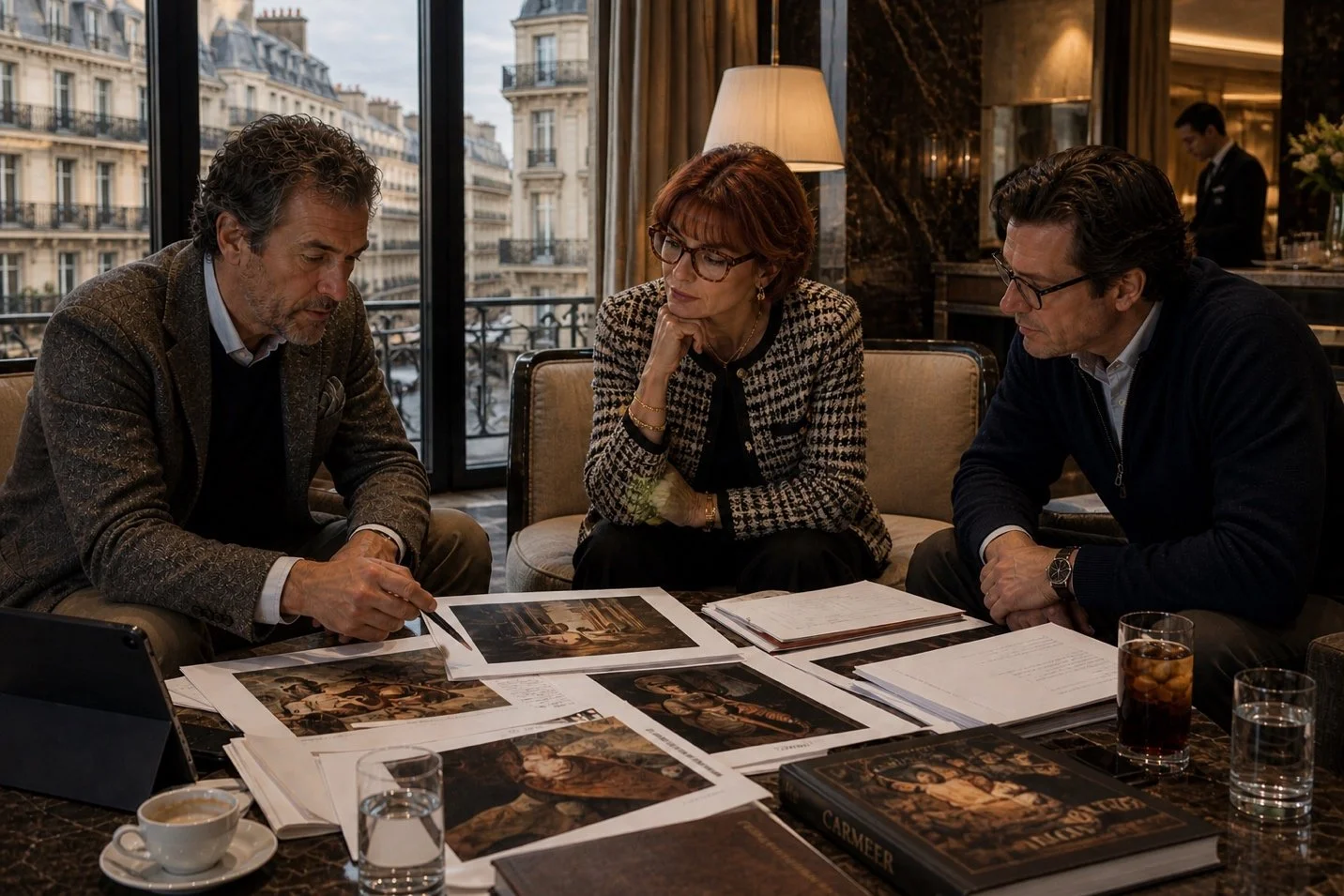
Over the past two decades, this approach has led us to acquire works from 131 different sources worldwide. Often excellent examples of an artist’s work emerge over time from different places—some with frequent availability and others where supply appears only episodically.
As an example, since 2005 we have acquired works by Mark Tobey and Georg Baselitz from twenty-eight different sources worldwide. Rather than relying solely on global auction houses or prominent galleries, many acquisitions emerged through smaller European galleries, regional auction houses, and private transactions. These less visible venues frequently present attractive opportunities to acquire excellent examples.
This process requires patience, discipline, and consistent engagement across the art market. Identifying the strongest works rarely occurs within one venue or through an individual relationship. It requires persistent effort to evaluate works appearing across more than one hundred potential sources. It is relatively easy to focus on a single gallery or familiar channel; it is far more demanding to engage broadly across the landscape.
Genuine curation depends on both the willingness and the ability to look widely, compare rigorously, and act selectively.
Independence allows quality to be pursued wherever it exists.
Why Independence Matters
The global art market offers a vast range of possibilities, but the works presented through any single venue reflect only a portion of what exists across the broader landscape.
An independent approach requires discipline and sustained effort, yet it provides the freedom to curate with a single objective: identifying works of enduring artistic relevance, commercial appeal, and value.