Flexible and Innovative Paths to Ownership
The Traditional Art Market Offers Limited Purchase Options
In most areas of finance and commerce, buyers are offered a range of structures designed to balance risk, timing, and capital commitment. Leasing, financing, and option-based ownership frameworks allow participants to evaluate and utilize assets while preserving flexibility.
The art market has historically operated quite differently. Most transactions occur through intermediaries who earn commissions when art changes hands. As a result, participants are typically presented with a single decision: commit substantial capital immediately or walk away.
This dynamic is not inherently problematic. Galleries represent artists and manage inventory, while auction houses represent consignors seeking liquidity. In both cases, their role is to facilitate transactions efficiently. However, the business models of these intermediaries structurally limit the range of acquisition alternatives they can offer.
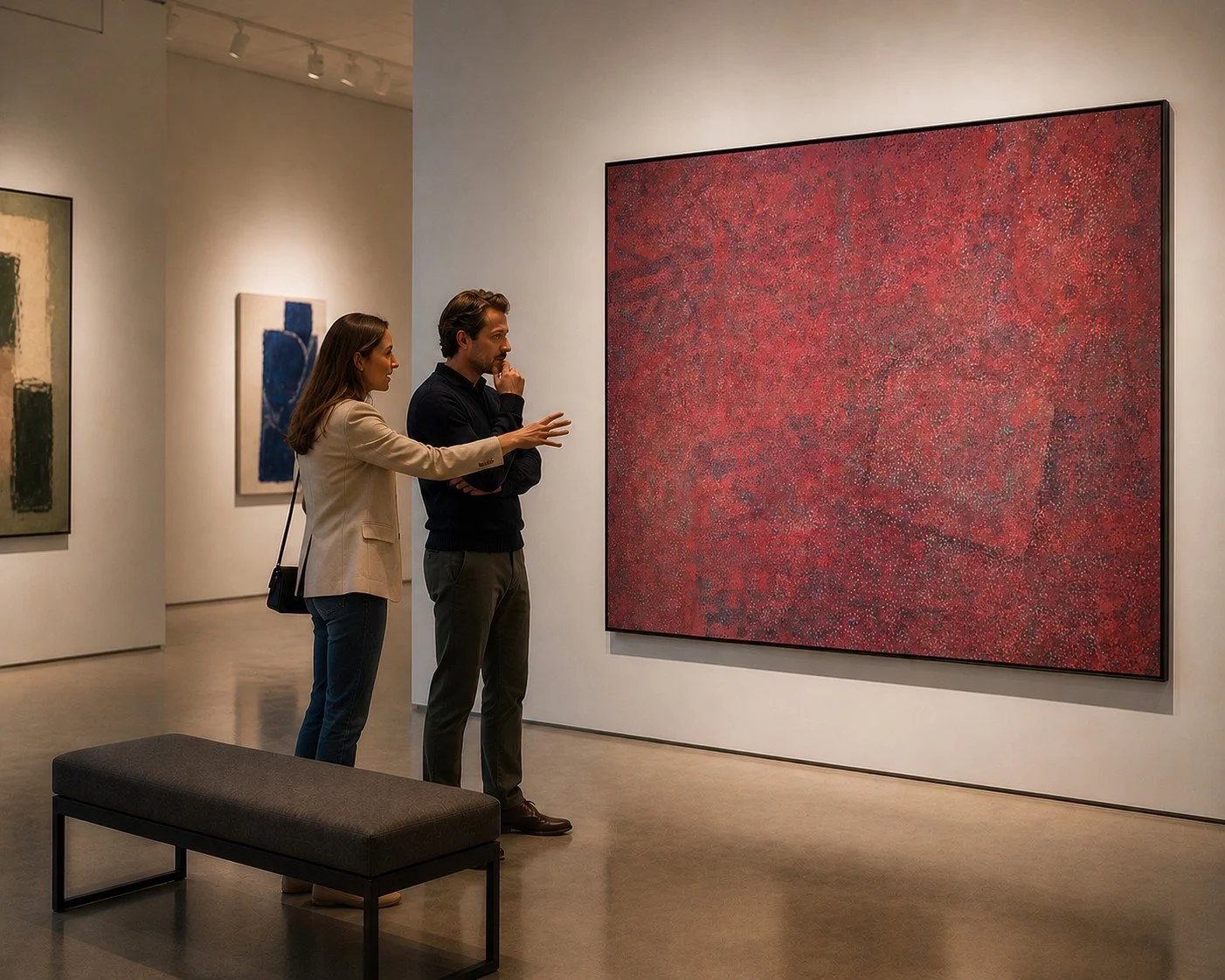
Principal Ownership Creates Structural Flexibility
Moving beyond a simple outright purchase becomes possible only when the seller is willing and able to assume long-term price risk of the underlying artwork. In essence, this occurs when one operates as a principal—committing its own capital—rather than acting as an agent.
When a firm owns the art it offers, the range of options for selling it expands materially. Considerations involving time horizon and payment flexibility become possible, allowing transactions to be structured in ways that might better align with a buyer’s circumstances and objectives.
Providing these alternatives requires long-term conviction in the underlying asset. Offering arrangements such as leasing with deferred purchase options inherently involves accepting uncertainty — including the potential that a buyer ultimately decides not to complete the purchase if value declines during the lease period, leaving the owner to absorb that variability. For this reason, such arrangements are rare in the art market, where most participants are unwilling or unable to assume material price risk. Acting as an owner comfortable with this exposure materially expands the range of solutions that can be presented to a buyer.
A Practical Solution for Certain Buyers
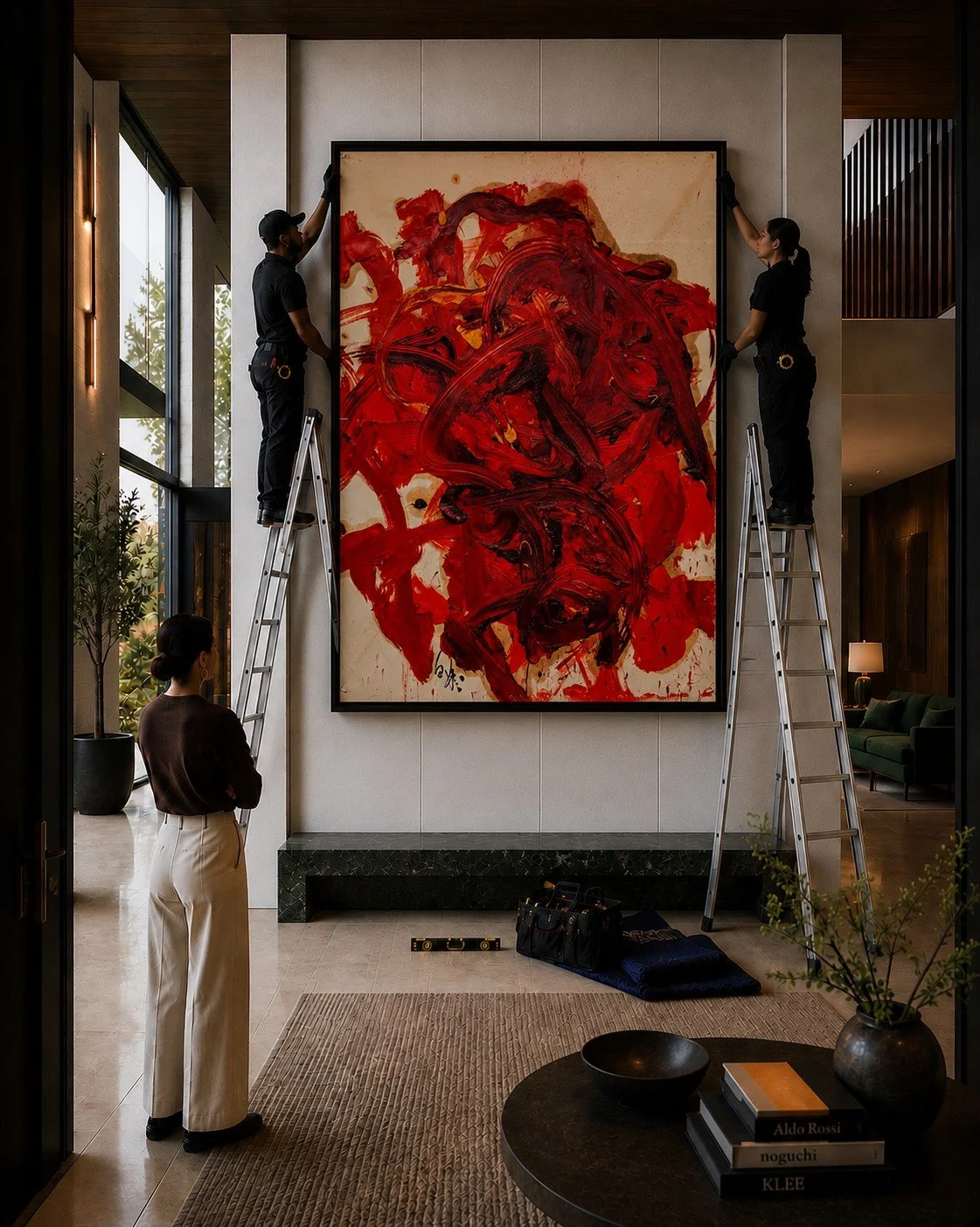
For many individual—particularly those newer to acquiring museum-quality art—the decision to purchase a significant work outright can feel daunting. Several factors often contribute to this hesitation.
First, the upfront cash outlay is often substantial. This can be challenging for those stillrefining their comfort level with allocating meaningful capital to a single piece.
Second, even with careful due diligence, prevailing supply and demand for an artist can fluctuate, sometimes materially. For those with less experience, assuming the possibility that value could decline can be uncomfortable until confidence develops that high-quality art can represent assets capable of retaining value or until there is greater certainty that the acquisition will remain a permanent addition.
Third, tastes evolve. As people spend more time surrounded by art and learning about artists and movements, their interests often become more defined. An ownership decision made too early, before sufficient clarity develops, can therefore feel premature.
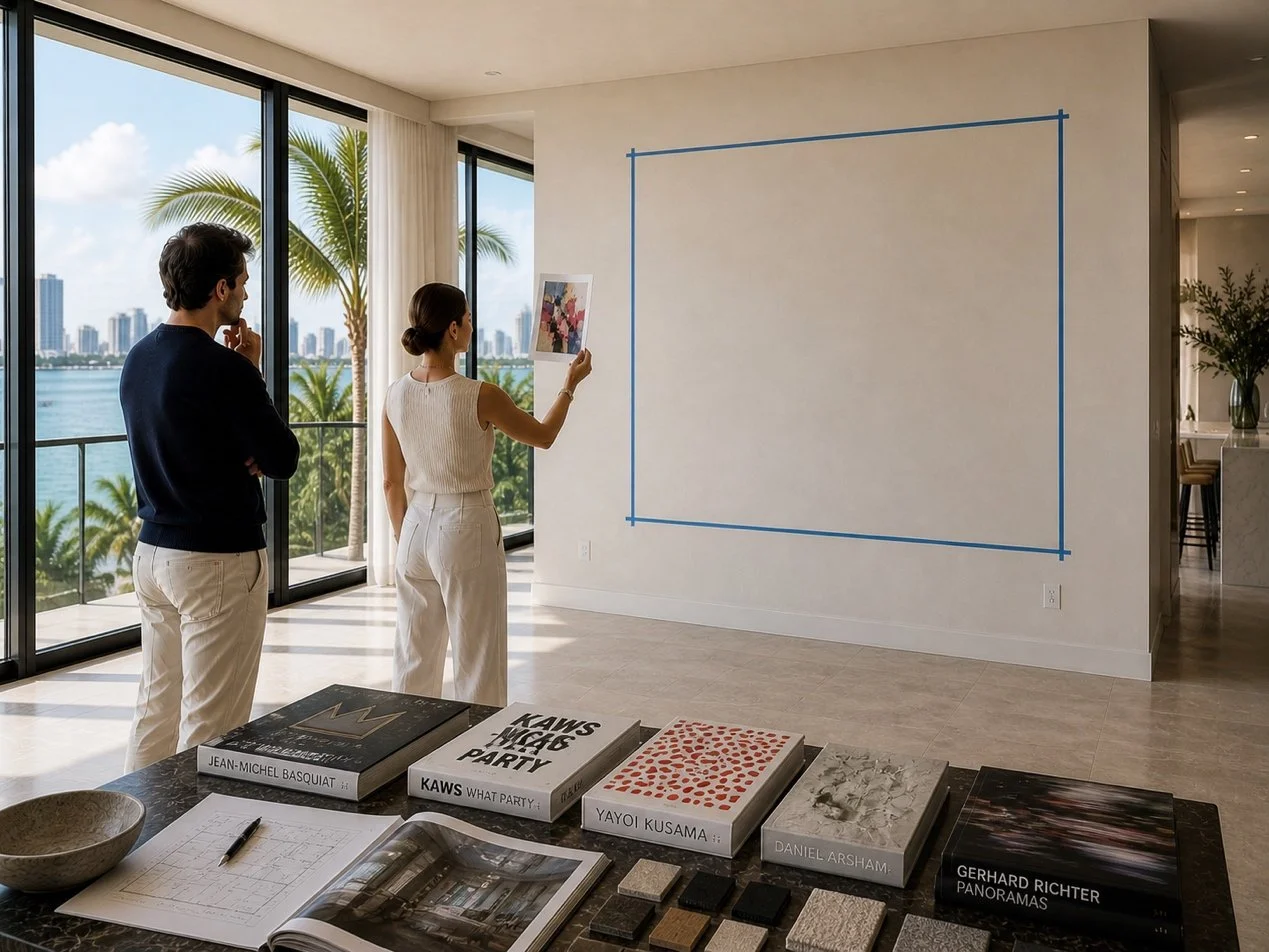
For some, a tailored lease can be a practical solution to address these reservations. Rather than forcing a binary decision between purchasing outright or walking away, a lease allows time to live with the piece while preserving optionality. In doing so, it provides a measured path toward eventual ownership while limiting financial exposure as understanding and conviction develop.
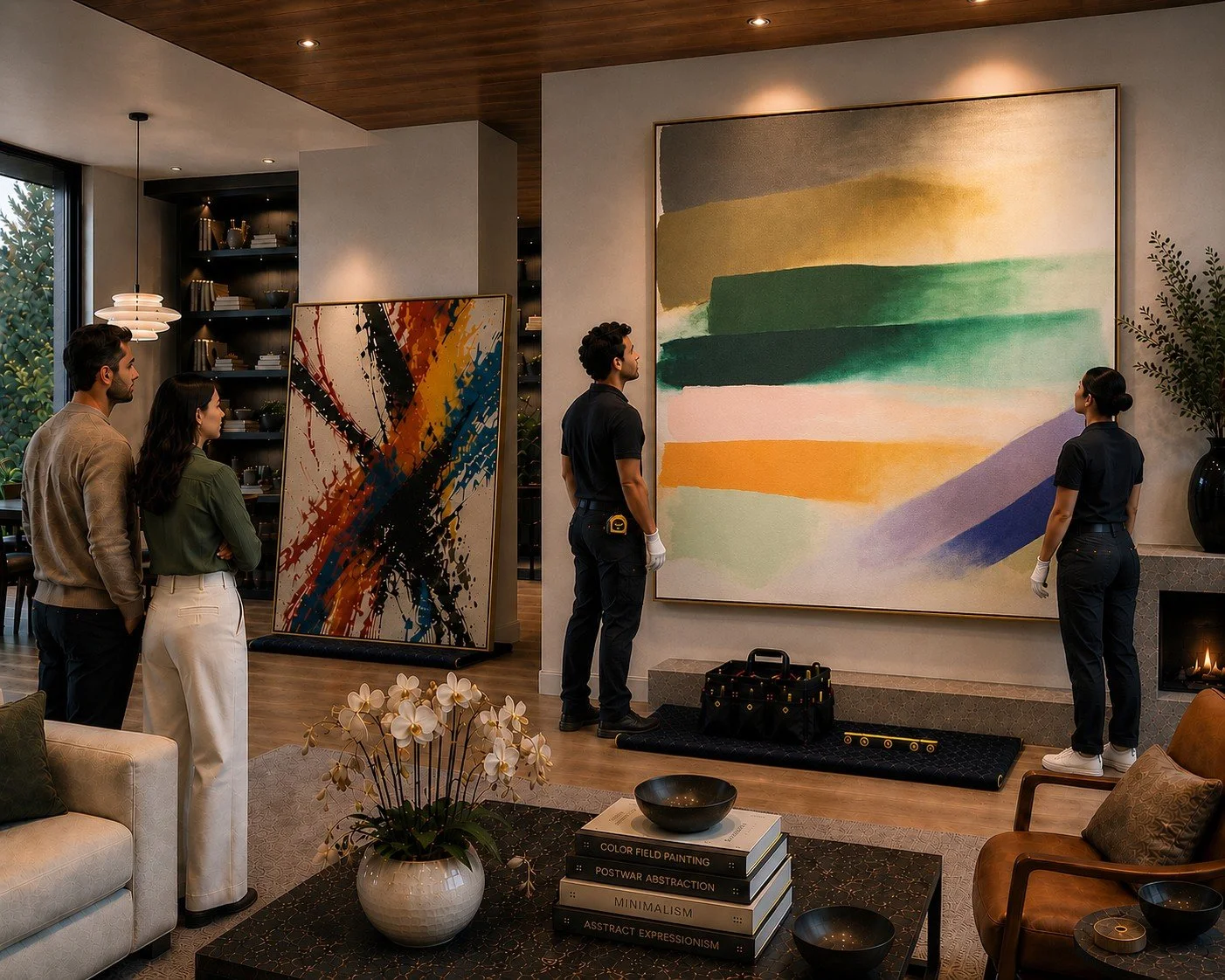
Key Elements of a Lease
Leasing arrangements represent a form of financial engineering that is widely used across many asset classes. Despite its intuitive appeal for certain buyers, this approach remains largely absent from the art market.
Velaras developed its leasing framework in response to this gap. While Velaras’ lease arrangements are customized to reflect a buyer’s objectives, several elements define the agreement:
Duration – Velaras leases typically run between two and five years.
Annual Termination Option – The lease may be terminated annually without further obligation.
Optional Buyout Provision – In some cases, a predetermined purchase price is established at inception. When this option is included, lease payments are credited toward the purchase price if the option is exercised. In other cases, no buyout option is incorporated, and the lease simply allows the buyer to enjoy the art for a defined period.
Substitution Rights – Exchange provisions at defined intervals allow selections to be adjusted as tastes change.
Capital Efficiency – Rather than committing the full purchase price immediately, capital can be deployed elsewhere while still enjoying the artwork and deciding whether long-term ownership is appropriate.
Annual lease rates reflect several factors, including the duration of the lease, the presence and terms of any buyout option, the perceived volatility of the artist’s market, and prevailing conditions. In practice, Velaras’ annual lease payments typically fall within a range of approximately 7% to 15% of current value.
Properly constructed lease arrangements can create a meaningful alignment between buyer and seller, strengthening confidence in the acquisition process.